A Beginner's Guide to UK Drift Events: What Happens at a Grassroots Day
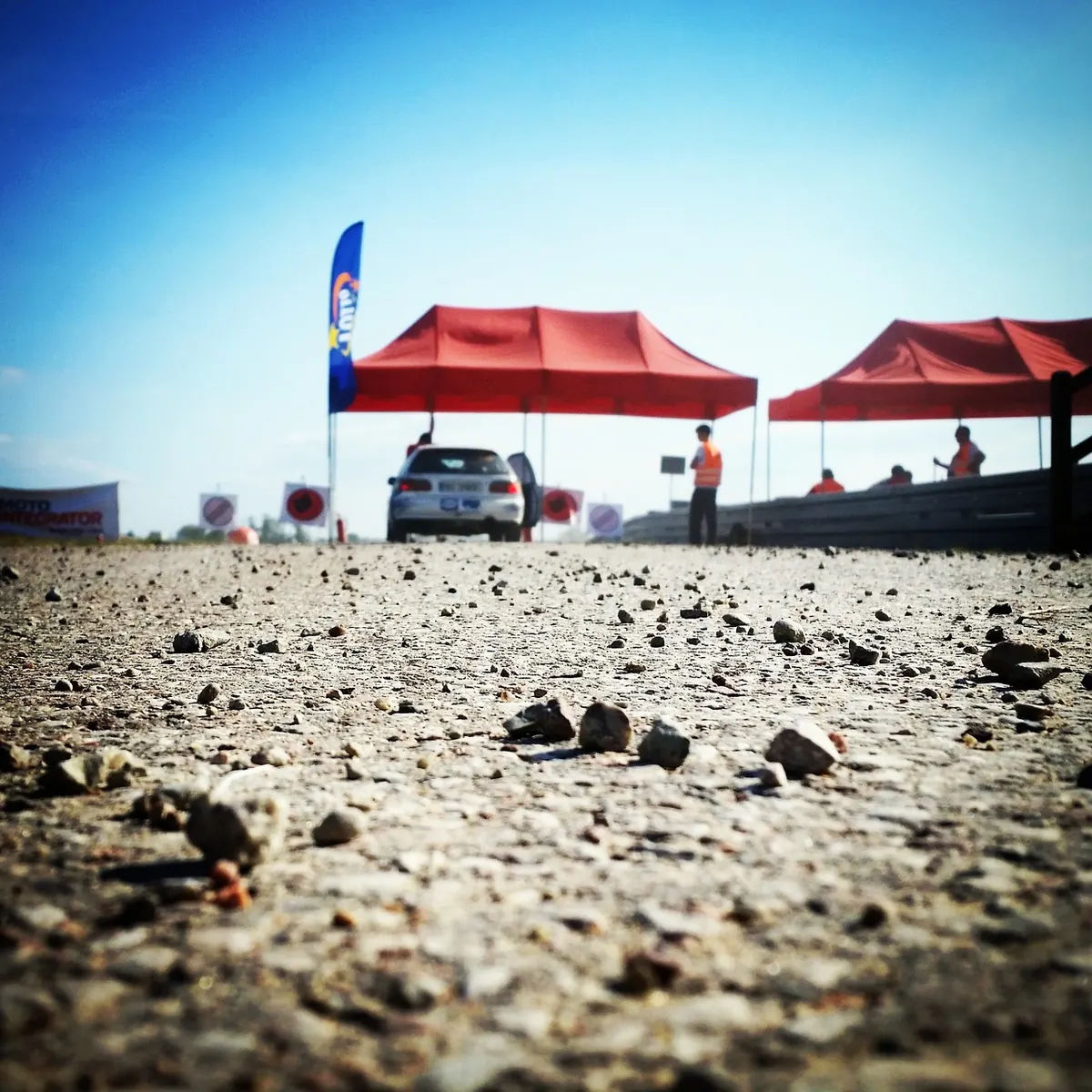
A grassroots drift day is nothing like the polished spectacle you see in highlight reels. There's no grandstand, no commentary you can hear over the engines, and the paddock smells of hot rubber, burnt clutch and cheap coffee. What you get instead is an airfield circuit or a converted oval full of rear-wheel-drive cars — tired BMWs, well-used Nissans, the odd Volvo estate — and a crowd of people who have paid their own money for a few laps sideways. It is the friendliest corner of UK motorsport. You just need to know how the day runs.
Arriving Early Is Half the Battle
Gates at most grassroots days open between 7am and 8am, and the queue forms well before that. Drivers want to sign on, unload and be ready for the briefing; spectators want a decent parking spot and a bacon roll before the noise starts.
Turn up early even if you are only watching. It gives you time to walk the site, find the viewing areas and work out which way the track runs. Bring layers, waterproofs and boots you don't mind ruining. A UK paddock is exposed, and standing still for three hours is colder than you would think. Cash still helps at some venues, particularly for the gate, the burger van and tyre disposal.
Sign-On and Scrutineering
If you are driving, the day begins with two processes that sound more intimidating than they are.
Sign-on
This is the paperwork. You will show your licence, sign an indemnity, collect a wristband and often a number for the car. Most organisers want to see a driving licence; some accept provisional holders, plenty do not, and it varies by venue and by insurer. Check the rules before you pay for a place.
Scrutineering
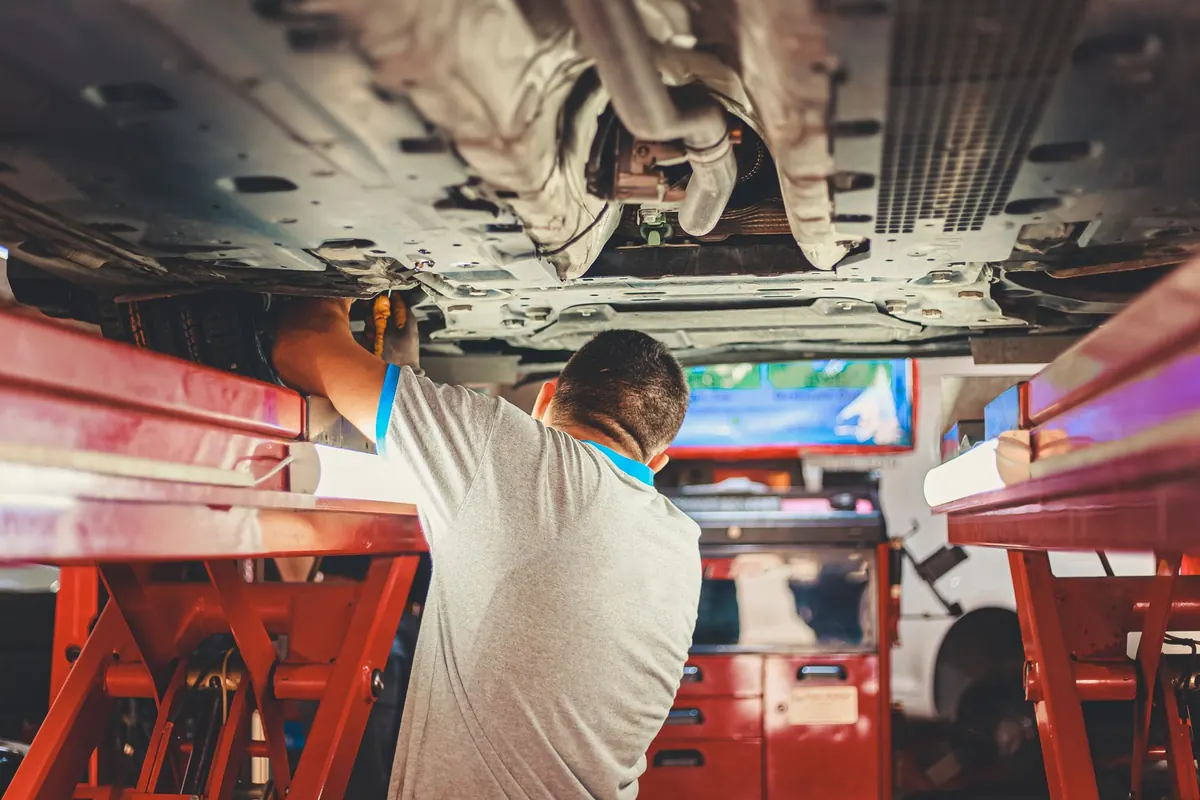
This is the car check. A club official gives it a once-over, usually in a queue that moves faster than it looks. Expect them to look at:
- battery security and covered terminals, with nothing rattling loose in the cabin
- floor mats, loose tools and empty cans removed
- seats and belts in good order, with no fraying
- working brake lights
- no fluid leaks
- wheel nuts present and tight, wheels not fouling anything
- tyres with no cords showing and no obvious damage
- an exhaust within the venue's noise limit — many run a static test
- a helmet in decent condition, with no cracks or missing padding
If something fails, it is usually fixable with a spanner and a bit of goodwill from the next pit along. Pass, and you will get a sticker on the windscreen: your permission to be on track.
The Drivers' Briefing
Every driver has to attend the briefing, and it is not optional. You will hear about the flags, the layout, where to enter and exit, what to do after a spin, pit lane speed limits and how overtaking works on the day. Marshals will explain where you must not go, and why. Miss it and you do not drive.
Many clubs run a separate novice briefing. Go to it even if you think you know better — it is where you learn the small local rules that nobody writes down.
Track Time: What You Are Actually Watching
Track time is usually split into sessions by ability — novice, intermediate, advanced — or run as open pit lane with a cap on how many cars are out at once. A course of cones marks the line: a long entry, a transition, a clipping point or two. Cars spin, straighten, spin again.
Beginners spend most of their first day simply getting the car sideways and holding it there, which is harder than it looks and exactly the point. If you are watching, stand where you can see an entry and the first transition; that is where the skill shows. Learn the flags. Black means come in, red stops the session, and if a car has gone off, recovery takes priority over everything else.
Passenger Rides and Paddock Etiquette
Passenger rides are the best value in the sport. They are often free, sometimes a small charge that goes to the club or the driver, and they tend to happen at lunch or in the last session rather than first thing.
If you want one:
- Ask in the paddock, not while someone is under the bonnet or already strapped in.
- Turn up ready: helmet, long sleeves, trousers, closed shoes.
- Sign whatever disclaimer the organiser hands you. Without it, you are not going anywhere.
- Keep arms and legs inside, do not grab the wheel or handbrake, and do not shout in the driver's ear mid-transition.
- Wait for a marshal's signal before getting in or out.
Five minutes in the passenger seat will teach you more about drift than an afternoon of video.
The paddock itself is a working space, not a car show. A few habits keep you welcome: ask before touching, leaning on or opening anyone's car; never stand behind a vehicle that is idling or being warmed up; give way to tow vehicles and anyone moving a car; keep children close and dogs on leads; take your rubbish home and take your dead tyres with you unless the venue offers disposal, because many charge for it. Ask before photographing people, and think before you post. Above all, offer a hand. Pushing a car or fetching a jack buys more goodwill than anything else you can do.
Planning Your First Visit
- Check the organiser's page for licence rules, noise limits and gate times before you travel.
- Book ahead if you are driving; popular days fill up.
- Take cash for the gate, food and tyre disposal.
- Pack waterproofs, warm layers, sturdy boots and ear defenders, including for children.
- If you are driving, check fluids, torque the wheel nuts, and bring spare wheels, a jack and basic tools.
- Sort insurance before you go. Road policies do not cover track use, and drift is often excluded from track-day cover as well, so check with your insurer or a specialist rather than assuming.
- Talk to people. Grassroots drifting runs on favours, advice and the loan of a 19mm socket.
Turn up, listen at the briefing, help where you can, and you will understand why so many people spend their weekends in a cold paddock watching a battered E36 go sideways.
Photo: blueeve / Pixabay